Game Review – Death Stranding 2: On The Beach
Developer: Kojima Productions
Publisher: Sony Interactive Entertainment
Platforms: PS5, PC
Year: 2025
Hideo Kojima is pretentious. Let’s get that out of the way. The man names characters things like Die-Hardman and Deadman and Heartman with complete sincerity. He puts hours of cutscenes in his games. He makes you read fake interviews and documents and historical references. He thinks he’s making art with a capital A and he wants you to know it.
He’s also a genius. And Death Stranding 2: On The Beach is his best work since Metal Gear Solid 3.
The first Death Stranding was divisive. Walking simulator. Strand game. Whatever you want to call it. I loved it. The loneliness. The weird beauty of traversing a destroyed America delivering packages. The way the gameplay loop mirrored the themes — connection is hard, isolation is easy, we have to choose to reach each other.
The sequel doubles down on everything. More walking. More deliveries. More insane Kojima storytelling. More celebrity cameos that somehow work. More moments where you’re genuinely moved by a cutscene about the importance of human connection and then you remember you’re playing a game about a mailman.
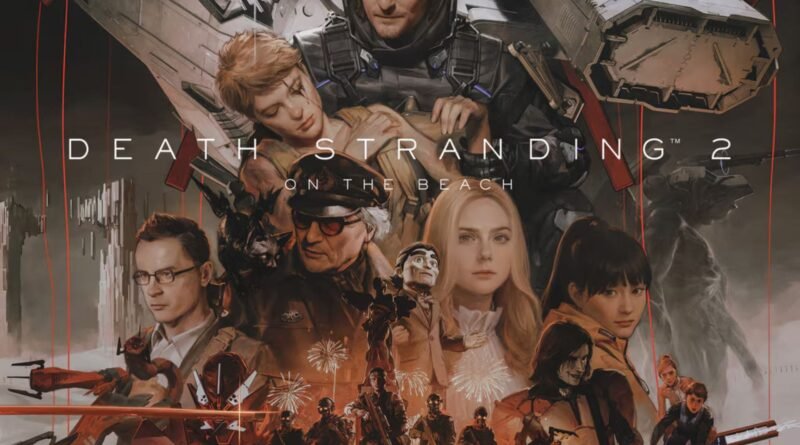
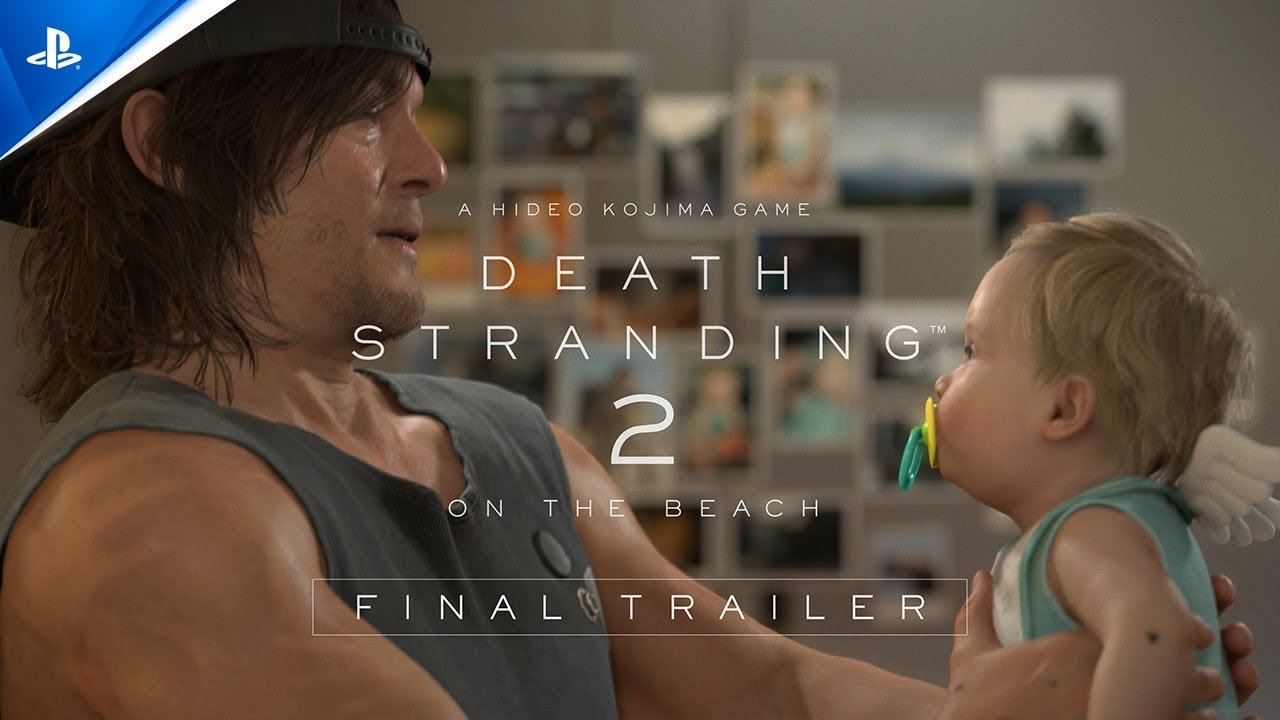
Norman Reedus returns as Sam. He’s older now. Wearier. The world is slightly less broken than before — the connections he made in the first game have stuck — but new threats are emerging. There’s a faction called the Drawbridge that wants to sever connections entirely. There’s something happening with the Beach that I still don’t fully understand. There’s a character played by Elle Fanning who’s either a ghost or a memory or both.
The gameplay is. Okay look. You’re still walking across terrain and managing your balance and planning routes and delivering things. If you hated that in the first game you’ll hate it here. But there are new tools. New vehicles. New ways to interact with other players’ structures. The “strand” system is deeper — you can feel the presence of other players more strongly, benefit from their work more directly.
And the environments. Jesus. There’s a section that takes place in something called the Wandering City — a settlement built on massive moving platforms that never stops — and it’s one of the most visually stunning locations I’ve ever seen in a game. Kojima’s team built a world that feels genuinely alien but also somehow plausible. Post-apocalyptic but not ugly. Broken but healing.
The celebrity stuff continues. Fanning is great. Shioli Kutsuna plays a major character. Troy Baker returns. Lea Seydoux has an expanded role. And then there’s a cameo from someone I won’t spoil that made me actually say “WHAT” out loud in my apartment.
The themes. Connection. Loss. What we leave behind. Whether technology brings us together or pushes us apart. These are not subtle themes. Kojima beats you over the head with them. There are literally moments where characters explain the themes directly to camera. It should be insufferable. Somehow it isn’t.
I cried twice. Once during a scene involving Elle Fanning’s character. Once during the ending.
Kojima made a game about the importance of human connection and then made you feel it. Made you feel lonely. Made you feel grateful for the strangers who left ladders and bridges. Made you feel responsible for the people counting on your deliveries.
Is it pretentious? Yes. Is it too long? Yes. Is it self-indulgent? Absolutely yes.
Is it also brilliant and moving and unlike anything else in gaming?
Yeah. Yeah it is.
My rating: ★★★★★